
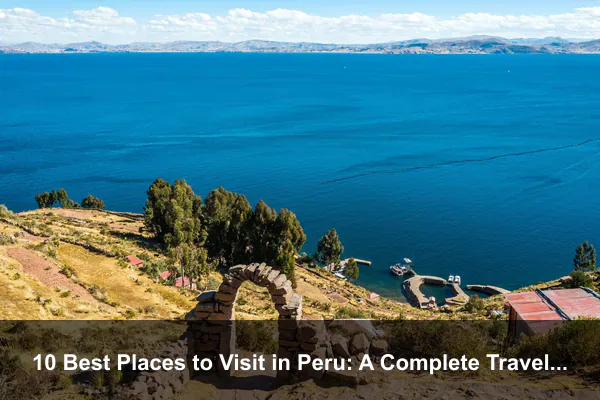
Peru is easiest to plan in three travel zones: Pacific coast, high Andes, and Amazon rainforest. This guide uses a route-smart angle so travelers can reduce backtracking, manage altitude better, and choose destinations that match different trip lengths.
Rather than listing landmarks only, each section is built as a planning block with access and seasonal context. Use these 10 places to combine classic highlights with varied experiences across history, culture, wildlife, and food.
Machu Picchu (Circuit-Based Visit)
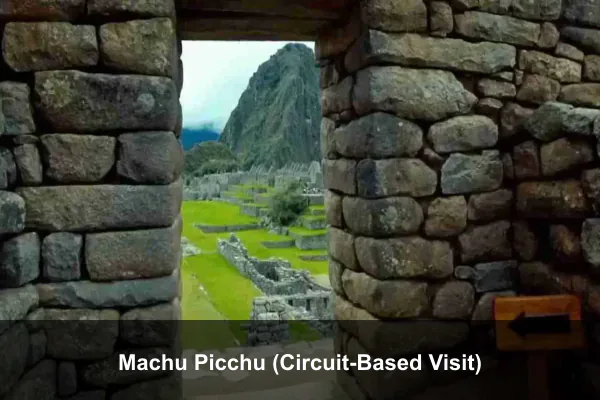
Machu Picchu is the essential stop for first-time Peru trips, combining world-famous Inca heritage with dramatic Andean scenery above Aguas Calientes in the Cusco Region. Visit for the classic citadel views, then follow your assigned official circuit to explore terraces, temples, and viewpoints in an organized flow that now defines the experience. The most practical rule is to buy tickets early by exact circuit and entry hour, especially in peak months, because walk-up availability is limited and last-minute plans often fail. For clearer mountain panoramas, aim for May to September. Reach it by train to Aguas Calientes, then take the shuttle bus or hike uphill; Huayna Picchu and Machu Picchu Mountain each require separate permits.
| Best for | First-time Peru trips and iconic Inca heritage |
|---|---|
| Location | Above Aguas Calientes, Cusco Region |
| Best time | May-September for clearer mountain views |
| Access | Train to Aguas Calientes + shuttle bus or uphill hike |
Additional Info: Book your exact circuit and entry hour early; Huayna Picchu and Machu Picchu Mountain require separate permits.
Cusco Historic Center and Sacsayhuaman
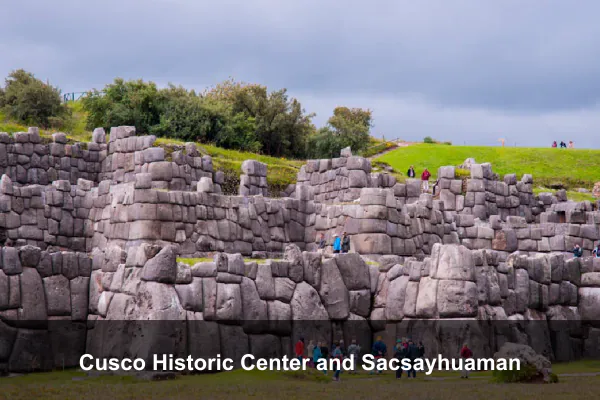
Cusco’s Historic Center and nearby Sacsayhuaman make an ideal first stop in Peru, blending Inca stonework, colonial plazas, and panoramic ruins while helping you adjust to high altitude in the southeastern Andes. Arrive by domestic flight from Lima, then explore at an easy pace on day one: stroll heritage streets around Plaza de Armas, visit churches and museums, and take a short taxi or uphill walk to Sacsayhuaman for sunset views. Save strenuous treks and longer hikes for day two or later once acclimatized. The best months are the dry season from April to October, with June especially lively for festivals and traditional celebrations, making Cusco perfect for heritage walks and smart altitude adjustment before bigger adventures.
| Best for | Heritage walks and altitude adjustment |
|---|---|
| Location | Cusco city, southeastern Andes |
| Best time | April-October dry season, especially June festivities |
| Access | Domestic flights from Lima; walk or taxi between sites |
Additional Info: Keep your first day light at altitude and save demanding hikes for day two or later.
Sacred Valley Loop (Pisac, Ollantaytambo, Moray, Maras)
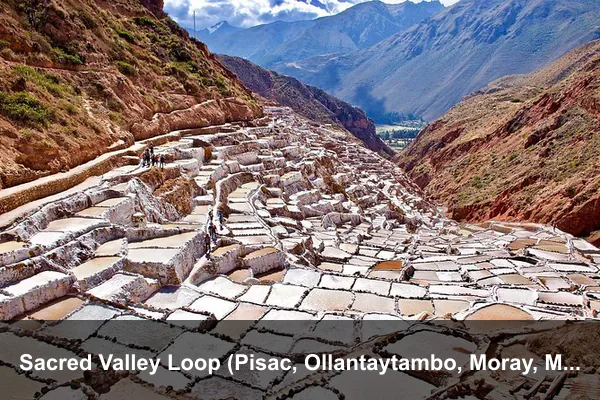
The Sacred Valley loop between Cusco and Ollantaytambo is ideal for multi-stop cultural days before Machu Picchu, combining Pisac’s handicraft market and hilltop ruins with the living Inca town of Ollantaytambo, then the circular terraces of Moray and the white salt pans of Maras. Visit from April to October for drier roads and clearer mountain views, and plan your timing around practical train departures from Ollantaytambo if Machu Picchu is next. From Cusco, you can link the circuit by colectivo, private driver, or guided tour, but carry small cash since site tickets, local transport points, and minor entrance fees are often paid separately.
| Best for | Multi-stop cultural days and pre-Machu Picchu routing |
|---|---|
| Location | Valley corridor between Cusco and Ollantaytambo |
| Best time | April-October for dry roads and stable views |
| Access | Colectivo, private driver, or guided tour from Cusco |
Additional Info: Carry small cash because some attractions and local transport points are paid separately.
Lake Titicaca (Puno, Uros, and Taquile)
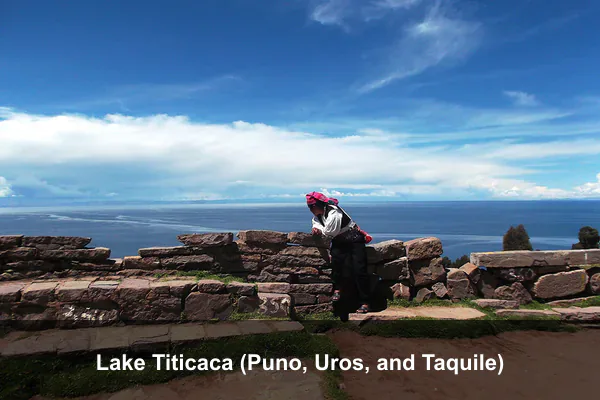
Lake Titicaca in Peru’s Puno Region, near the Bolivia border, is one of the country’s best places for living traditions and slow cultural travel: glide across the high-altitude lake by boat, visit the Uros floating islands, and continue to Taquile for community-led experiences, weaving heritage, and peaceful views. Plan your trip between May and October for sunnier conditions and smoother lake routes. Most travelers arrive via Juliaca Airport and transfer to Puno, though bus and train connections from Cusco are also convenient. Even when daytime is sunny, nights stay cold year-round at this elevation, so pack thermal layers for evenings and overnight island or homestay visits.
| Best for | Living traditions and slow cultural travel |
|---|---|
| Location | Puno Region near the Peru-Bolivia border |
| Best time | May-October for sunnier lake conditions |
| Access | Via Juliaca airport + transfer, or bus/train from Cusco |
Additional Info: Nights stay cold year-round, so pack thermal layers even if daytime is sunny.
Arequipa Historic Center and Santa Catalina Monastery
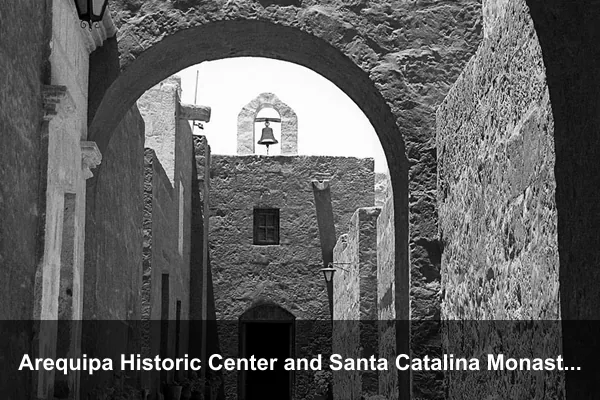
Arequipa’s Historic Center and the Santa Catalina Monastery pair dramatic volcanic backdrops with elegant white-sillar architecture, making this southern Peru city a standout for culture, design, and regional cuisine. Wander colonial plazas and monastery streets painted in vivid reds and blues, then settle into a traditional picanteria at lunch, when classic Arequipeño dishes are freshest and most widely available. Food lovers should try rocoto relleno and chupe de camarones between museum visits and sunset views toward Misti. Plan your trip from April to November for mild, dry weather, and arrive easily by domestic flight or long-distance bus from Lima, Cusco, and other major Peruvian cities.
| Best for | City culture, architecture, and regional cuisine |
|---|---|
| Location | Arequipa city, southern Peru |
| Best time | April-November with mild, dry weather |
| Access | Domestic flights or long-distance buses from major cities |
Additional Info: Eat at traditional picanterias at lunch, when signature dishes are freshest and most available.
Colca Canyon and Cruz del Condor
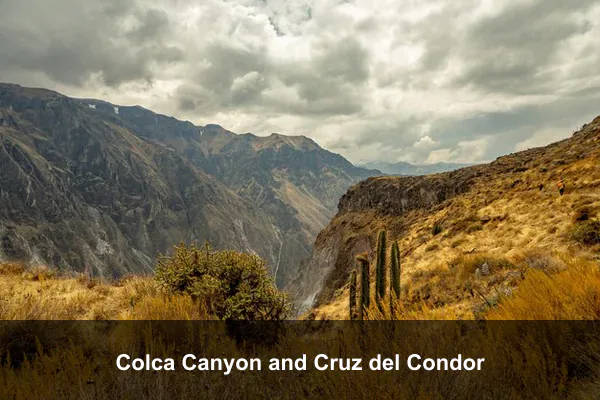
Colca Canyon in Caylloma Province, Arequipa Region, is one of Peru’s most dramatic landscapes, ideal for scenic road trips, wildlife viewpoints, and optional hikes into terraced valleys and traditional villages. The highlight is Cruz del Condor, where giant Andean condors ride morning thermals above sheer canyon walls; arrive early for the best chance of sightings. Travelers can stop at panoramic miradores, soak in nearby hot springs, or base themselves in Chivay or Cabanaconde for day walks and longer treks. For clearer skies and better morning visibility, plan your visit between May and September, usually reached by road transfer from Arequipa.
| Best for | Scenic road trips, wildlife viewpoints, and hikes |
|---|---|
| Location | Caylloma Province, Arequipa Region |
| Best time | May-September for clearer mornings |
| Access | Road transfer from Arequipa to Chivay/Cabanaconde |
Additional Info: Reach Cruz del Condor early in the morning for stronger chances of condor sightings.
Lima: Historic Center, Miraflores, and Barranco
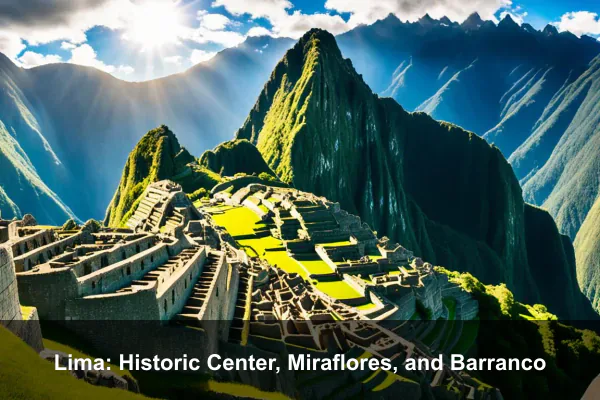
Lima is a core stop in Peru for urban culture, museums, and culinary travel, blending the colonial plazas and churches of the Historic Center with Miraflores cliffside walks along the Pacific and Barranco’s galleries, street art, and nightlife. Spend mornings on history and museum visits, then follow the coast at sunset before planning meals around the city’s famous seafood scene. A key practical tip: reserve top cevicherias for lunch, as many close earlier than dinner-focused restaurants. Lima sits in Peru’s Pacific capital region, is most enjoyable from December to April for sunnier coastal weather, and is easy to reach through international arrivals at Jorge Chavez Airport.
| Best for | Urban culture, museums, and culinary travel |
|---|---|
| Location | Peru's Pacific capital region |
| Best time | December-April for sunnier coastal weather |
| Access | International arrivals via Jorge Chavez Airport |
Additional Info: Book top cevicherias for lunch, since many close earlier than dinner-focused restaurants.
Paracas National Reserve and Ballestas Islands
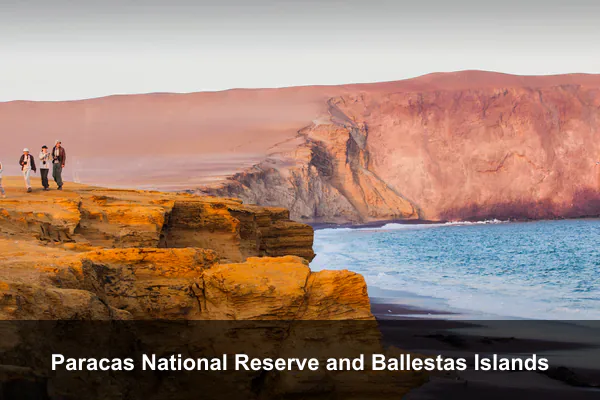
Paracas National Reserve and the Ballestas Islands are one of Peru’s easiest coastal adventures, ideal for wildlife boat tours and a quick nature escape south of Lima. From Paracas in the Ica Region, take an early cruise from the pier to spot sea lions, Humboldt penguins, and seabirds around dramatic rock arches, then explore the reserve’s surreal desert-meets-Pacific scenery and beaches by road. It works year-round, but seas are often calmer from November to April, making boat outings more comfortable. Reach Paracas by bus or car via the Pan-American South, and bring a windproof layer plus a dry bag since Ballestas rides are usually breezy and can get wet.
| Best for | Wildlife boat tours and quick nature escapes |
|---|---|
| Location | Paracas, Ica Region (south of Lima) |
| Best time | Year-round; November-April often calmer at sea |
| Access | Bus or car via Pan-American South + pier departure |
Additional Info: Bring a windproof layer and dry bag because Ballestas boat rides can be wet and breezy.
Nazca Lines Scenic Flight
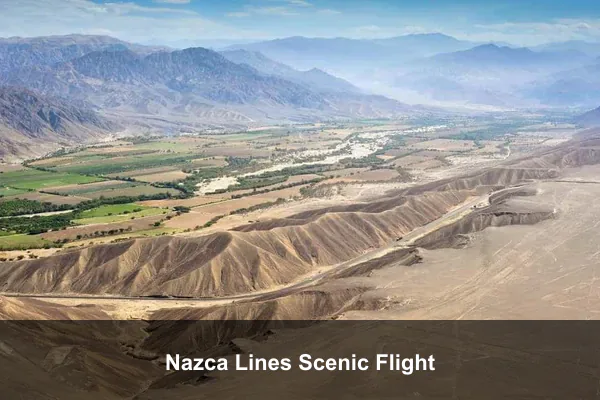
A scenic flight over the Nazca and Palpa deserts in Peru’s Ica Region is the best way to understand the true scale of the Nazca Lines, from giant animal figures to vast geometric tracks carved into the earth. It is especially rewarding for archaeology-focused travelers and anyone drawn to aerial sightseeing, with the clearest visibility usually from May to November. Reach the area overland to Nazca, or via Pisco before boarding a light-aircraft tour. Choose a licensed operator that gives a clear safety briefing, and avoid heavy meals before takeoff to stay comfortable during the sharp banking turns used to view each geoglyph.
| Best for | Archaeology-focused travelers and aerial sightseeing |
|---|---|
| Location | Nazca and Palpa, Ica Region |
| Best time | May-November for clearer desert visibility |
| Access | Overland to Nazca or Pisco + light-aircraft flight |
Additional Info: Choose operators with clear safety briefings and avoid heavy meals before takeoff.
Tambopata National Reserve (Puerto Maldonado)
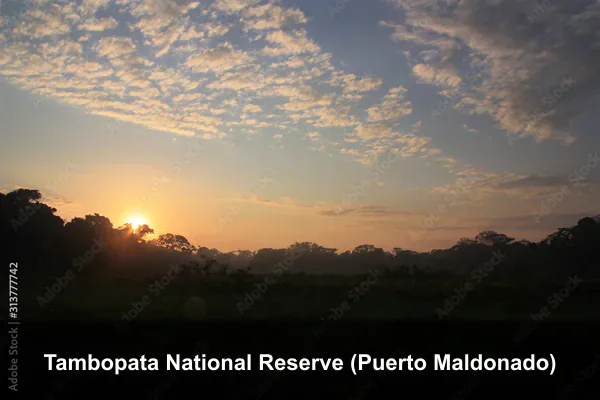
Tambopata National Reserve, in Madre de Dios in southeastern Peru, is one of the country’s most rewarding rainforest chapters, best for Amazon biodiversity, birding, and eco-lodge stays. Access is straightforward: fly to Puerto Maldonado, then continue by guided river transfer to wildlife-rich lodges. From there, explore clay licks alive with macaws, glide along forest rivers at dawn, and watch for monkeys, caimans, giant otters, and countless birds. Visit between May and October for drier trails and generally easier logistics. For a smoother trip, ask your lodge in advance about available boot sizes and exact transfer times, especially in rainy months when river levels and schedules can change.
| Best for | Amazon biodiversity, birding, and eco-lodge stays |
|---|---|
| Location | Madre de Dios, southeastern Peru |
| Best time | May-October for drier trails and easier logistics |
| Access | Flight to Puerto Maldonado + guided river transfer |
Additional Info: Ask lodges in advance about boot sizes and transfer times, especially in rainy months.
Tips Before You Go
Reserve high-demand elements early, especially Machu Picchu entry circuits, train seats, Nazca flights, and Amazon lodges. Build buffer time between regions, and place high-altitude stops after Lima so your body can acclimatize before intense activity.
Pack by ecosystem: layers for the Andes, sun and wind protection for the coast, and quick-dry gear for the jungle. Recheck schedules and entry rules on official sites before each transfer, including peru.travel, SERNANP, Tu Boleto Cultura, and PeruRail.
